Elective C Section Meaning

Planned Or Elective Caesarean Pregnancy Birth And Baby
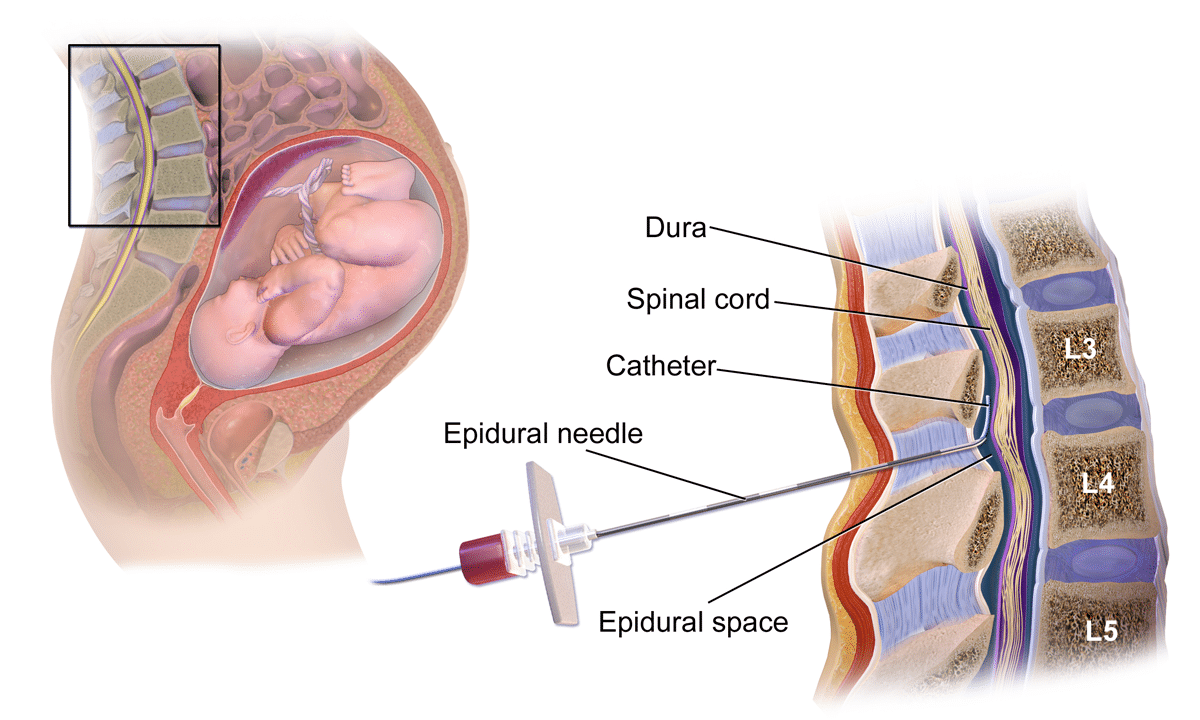
Caesarean Section Indications Classification Teachmeobgyn

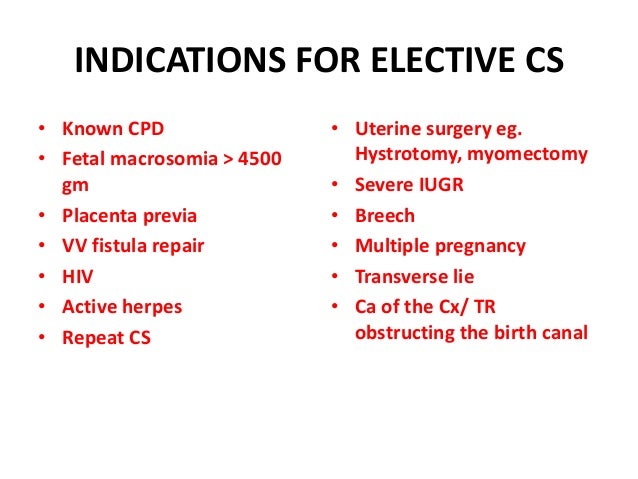
Indications For Elective Caesarean Section Download Scientific Diagram
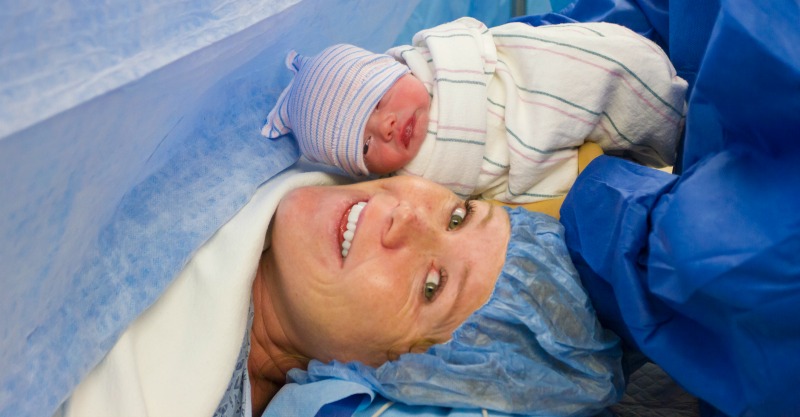
An Elective Caesarean What It Is Why You Might Have One And What To Expect

C Section Delivery At 39 Weeks Birth Injury Prevention

Caesarean Section Ppt Download

Patients may opt for a c section if they have a health condition such as high blood pressure or if a previous.
Elective c section meaning. A common reason for an elective c section is history of previous c section. Elective c section is planned due to known risks to mother or baby. A c section might be planned ahead of time if you develop pregnancy complications or you ve had a previous c section and aren t considering a vaginal birth after cesarean vbac.
Elective c sections bring a slightly higher rate of ttn transient tachypnea of the newborn where the baby doesn t clear the lung water out as quickly. Some women prefer to deliver by. Elective caesarean section elective caesarean section ae elective cesarean section refers to a caesarean section cs that is performed on a pregnant woman on the basis of an obstetrical or medical indication or at the request of the pregnant patient.
Having a c section increases your risk for placenta previa a placenta that s close to or covering the cervix in future pregnancies. C section abdominal delivery obstetrics the delivery of a fetus via an abdominal incision and surgical extraction of a product of conception. A caesarean section is often necessary when a vaginal delivery would put the baby or mother at risk.
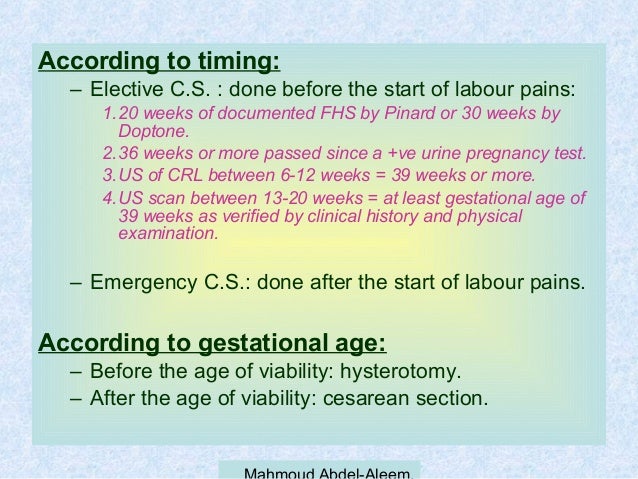
Whiting on what do they mean by planned or elective c sections. Redirected from elective caesarean section caesarean section also known as c section or caesarean delivery is the use of surgery to deliver babies. The elective cs is usually also a planned cs and executed prior to labor.
Placenta previa can cause bleeding during pregnancy which may require you to deliver prematurely. An elective c section is performed in the absence of any of these indications. Often a c section is done as an emergency due to fetal distress or some complication.
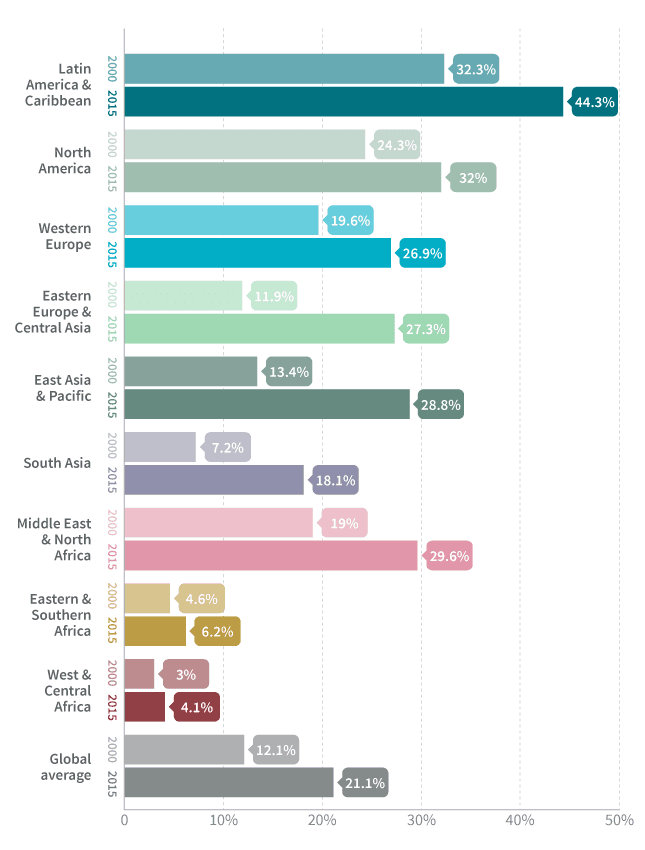
As a baby goes through the birth canal the chest gets compressed and amniotic fluid pushed out so there s less fluid to be aspirated back into the lungs. Should you schedule an elective c section. Css are the most commonly performed invasive procedure in many nations indications failure of progress fetal distress cephalopelvic disproportion placenta previa placental abruption placental insufficiency breech presentation active genital herpes multiple gestation preeclampsia and excessive scarring from previous surgeries statistics brazil.

Who Recommendation On Routine Antibiotic Prophylaxis For Women Undergoing Elective Or Emergency Caesarean Section Rhl

C Section What Happens During A Cesarean Delivery

Emergency Caesarean Pregnancy Birth And Baby

Hot Topic Elective C Section
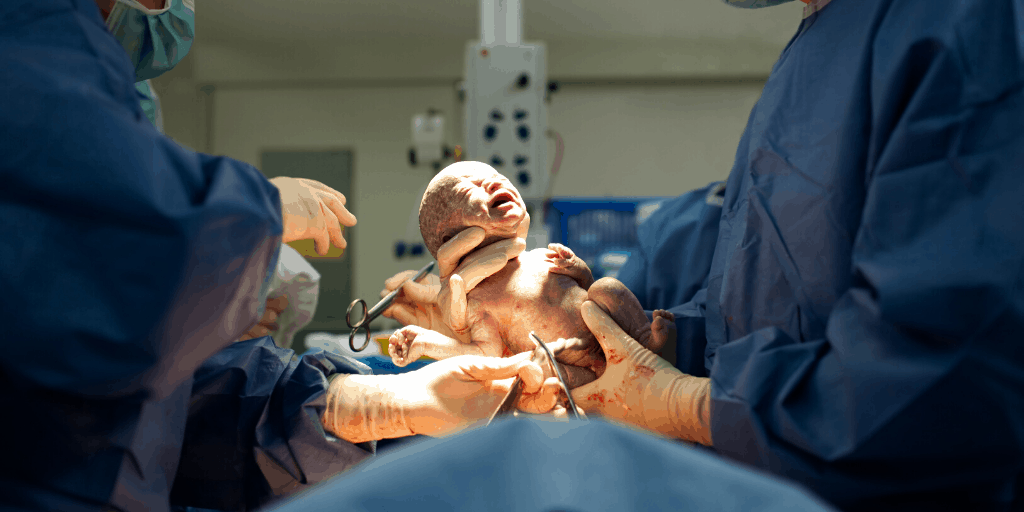
Caesarean Sections Group B Strep Support
Caesarean Section

Having A Happy C Section Honest Mum

I Had An Elective C Section Why Is A Maternal Request C Section So Hard To Get

Why I Had An Elective C Section

What Is The Evidence For Induction Or C Section For A Big Baby
Difficult C Section
Caesarean Section
C Sections What To Expect Axa Global Healthcare
