Cross Sectional Study Psychology Definition Example
Cross Sectional Study Vs Longitudinal Study 21 Differences Public Health Notes
Cross Sectional Study Definitions Uses Examples

Cross Sectional Study An Overview Sciencedirect Topics
Cross Sectional Study
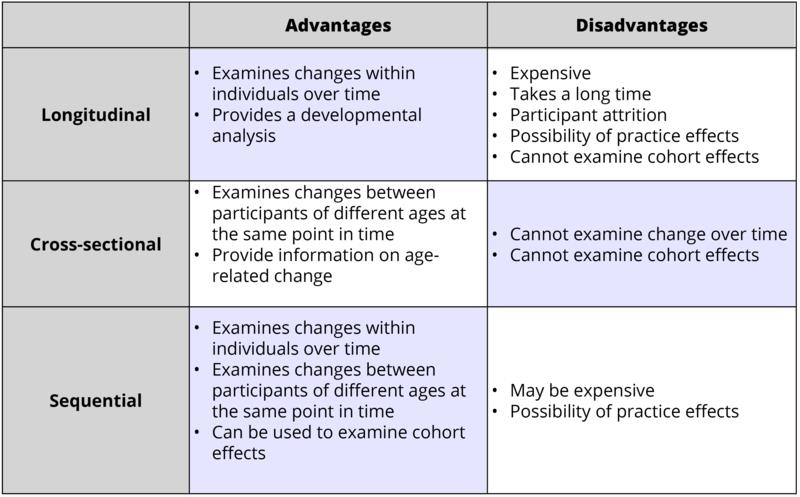
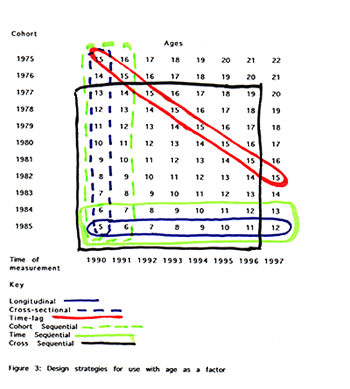
Research Involving Time Spans Lifespan Development
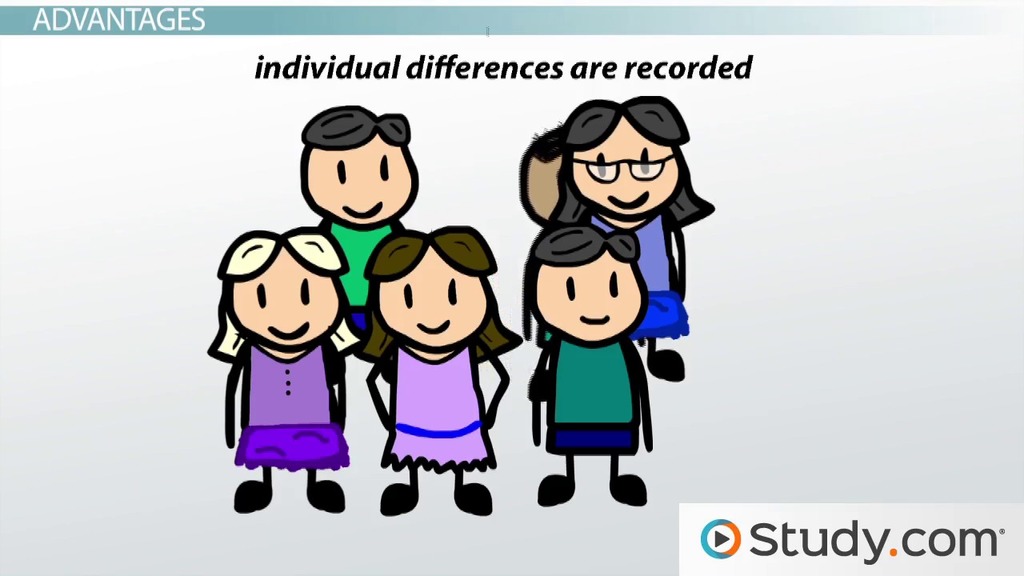
Cross Sectional Longitudinal Sequential Designs Advantages Disadvantages Video Lesson Transcript Study Com
The cross sectional study definition in psychology is research that involves different groups of people who do not share the same variable of interest like the variable you re focusing on but who do share other relevant variables.
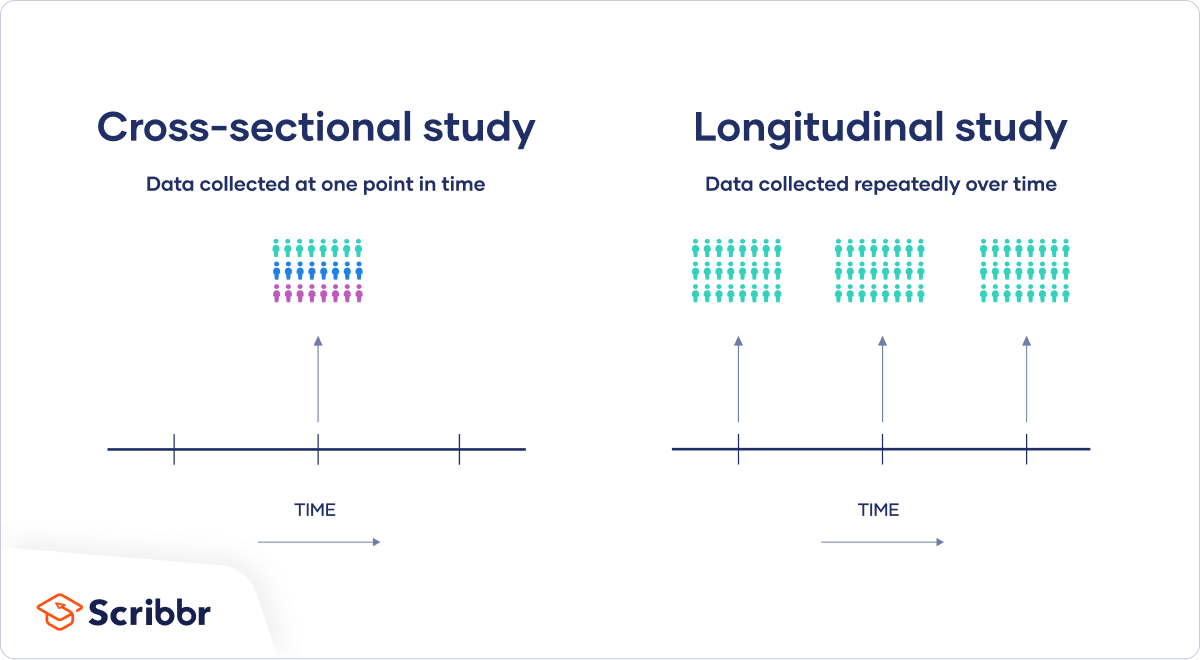
Cross sectional study psychology definition example. A cross sectional study is a descriptive study in which disease and exposure status are measured simultaneously in a given population. This is usually done with cohorts so that researchers can examine how people of different ages perform behave or respond to a particular function. The benefit of a cross sectional study design is that it allows researchers to compare many different variables at the same time.
We could for example look at age gender income and educational level in relation to walking and cholesterol levels with little or no additional cost. For example a cross sectional study might be used to determine if exposure to specific risk factors might correlate with particular outcomes. Cross sectional study is a research tool used to capture information based on data gathered for a specific point in time.
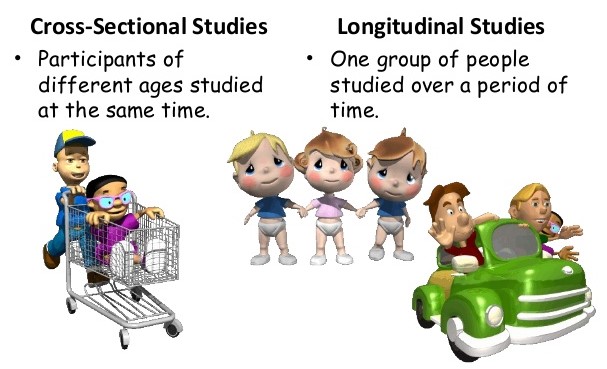
A cross sectional study is one type of study in which people of different ages are examined at the same time s. Cross sectional vs longitudinal example you want to study the impact that a low carb diet has on diabetes. Cross sectional designs are used to examine how people change over time by using representatives from different age categories.
Psychological researchers have utilized cross sectional and longitudinal studies to measure changes in personality traits over time. Cross sectional research involves using different groups of people who differ in the variable of interest but share other characteristics such as socioeconomic status educational background and. A researcher might collect cross sectional data on past smoking habits and current diagnoses of lung cancer for example.
For example a cross sectional studyof a group of participants ranging in age from 16 to 91 found that older adults were more agreeable and conscientious than younger adults. Cross sectional studies can be thought of as providing a snapshot of the frequency and characteristics of a disease in a population at a particular point in time. This allows you to do an experiment and look to see the differences.

Cross Sectional Study Definition Advantages Disadvantages Example Video Lesson Transcript Study Com

109 Questions With Answers In Cross Sectional Study Science Topic
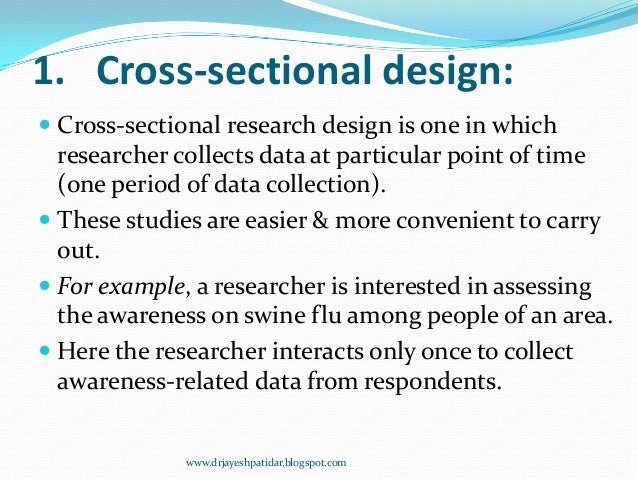
Nonexperimental Research Design
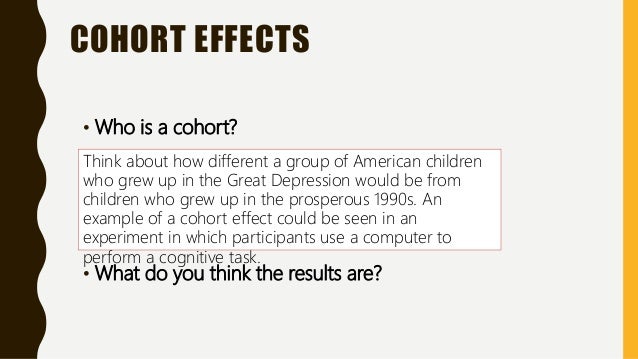
Longitudinal Vs Cross Sectional Studies

The Cross Sequential Approach A Short Term Method For Studying Long Term User Experiencejus

Cross Sectional Study Youtube
15 Cross Sectional Study Advantages And Disadvantages Brandongaille Com

Pin By Manuel Zwecker On Cross Sectional Study Reading Passages Evidence Based Practice Stressful Situations

Cross Sectional Research Definition Examples Video Lesson Transcript Study Com Cross Sectional Study Research Definition Video Lessons

Pdf Cross Sectional Versus Longitudinal Survey Research

Cross Sectional Design Cross Sectional Study Scientific Writing Observational Study

Statistical Studies Cross Sectional Study Observational Study Cohort Study

Point Prevalence Definition Study Video Lesson Transcript Study Com